

Home>Interior Design>Fall Bedding Trends: 6 Ways To Enhance Your Space This Fall
Interior Design
Fall Bedding Trends: 6 Ways To Enhance Your Space This Fall
Modified: February 18, 2024
Discover the top fall bedding trends for interior design and learn 6 creative ways to enhance your space this season. Transform your bedroom with cozy and stylish touches.
(Many of the links in this article redirect to a specific reviewed product. Your purchase of these products through affiliate links helps to generate commission for Storables.com, at no extra cost. Learn more)
Introduction
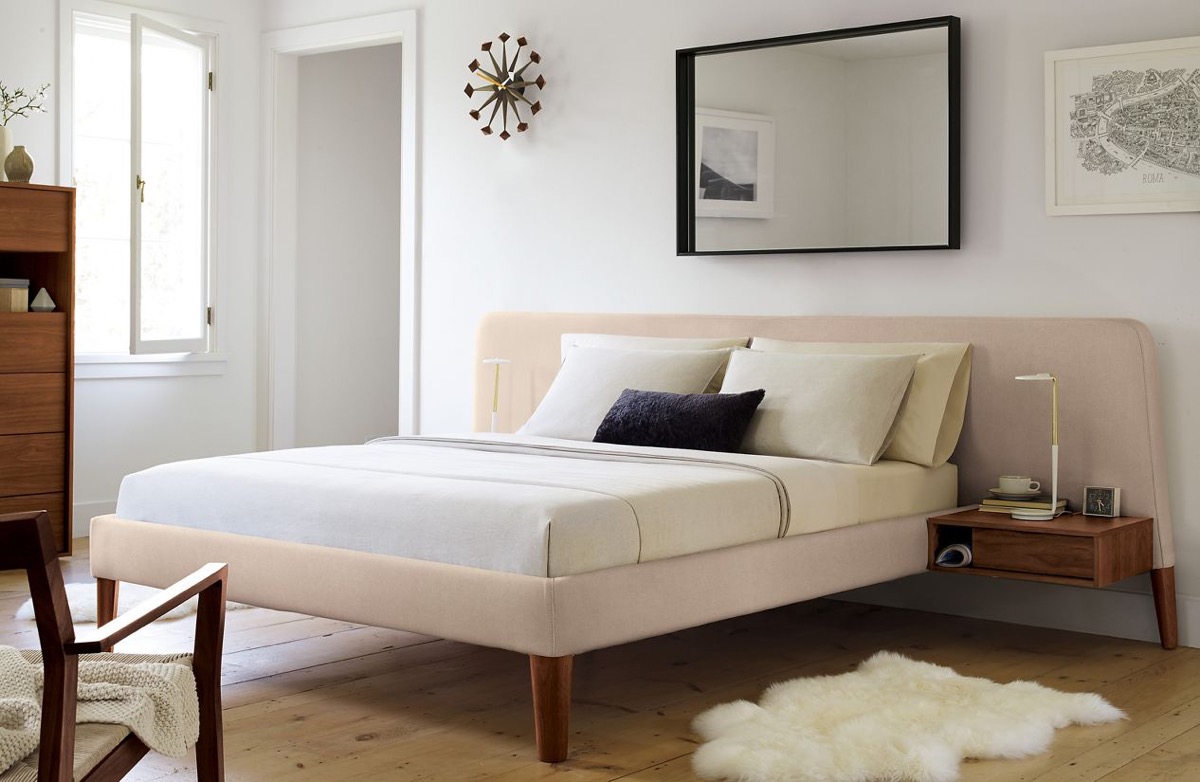
Fall is a magical season that brings with it warm colors, cozy evenings, and a sense of comfort. It’s that time of year when we start craving warmth and coziness in our homes, and one of the best ways to achieve that is through our bedding and decor choices. By updating your bedding with the latest fall trends, you can transform your space into a cozy oasis where you can snuggle up and relax.
In this article, we will explore six ways to enhance your space this fall with the latest bedding trends. From cozy blankets and throws to fall-inspired decorative pillows, we’ll cover all the essential elements that will help you create a warm and inviting atmosphere in your home.
So, grab a cup of hot cocoa, wrap yourself in a soft blanket, and let’s dive into the world of fall bedding trends!
Key Takeaways:
- Embrace the warmth and beauty of fall by updating your bedding with cozy blankets, fall-inspired decorative pillows, and comfortable bedding sets. Create a cozy oasis that reflects the essence of the season.
- Transform your bedroom into a warm and inviting retreat by layering textures, mixing patterns, and incorporating natural materials. Choose warm colors and quality fabrics to create a cozy and visually appealing bedding ensemble.
Cozy blankets and throws
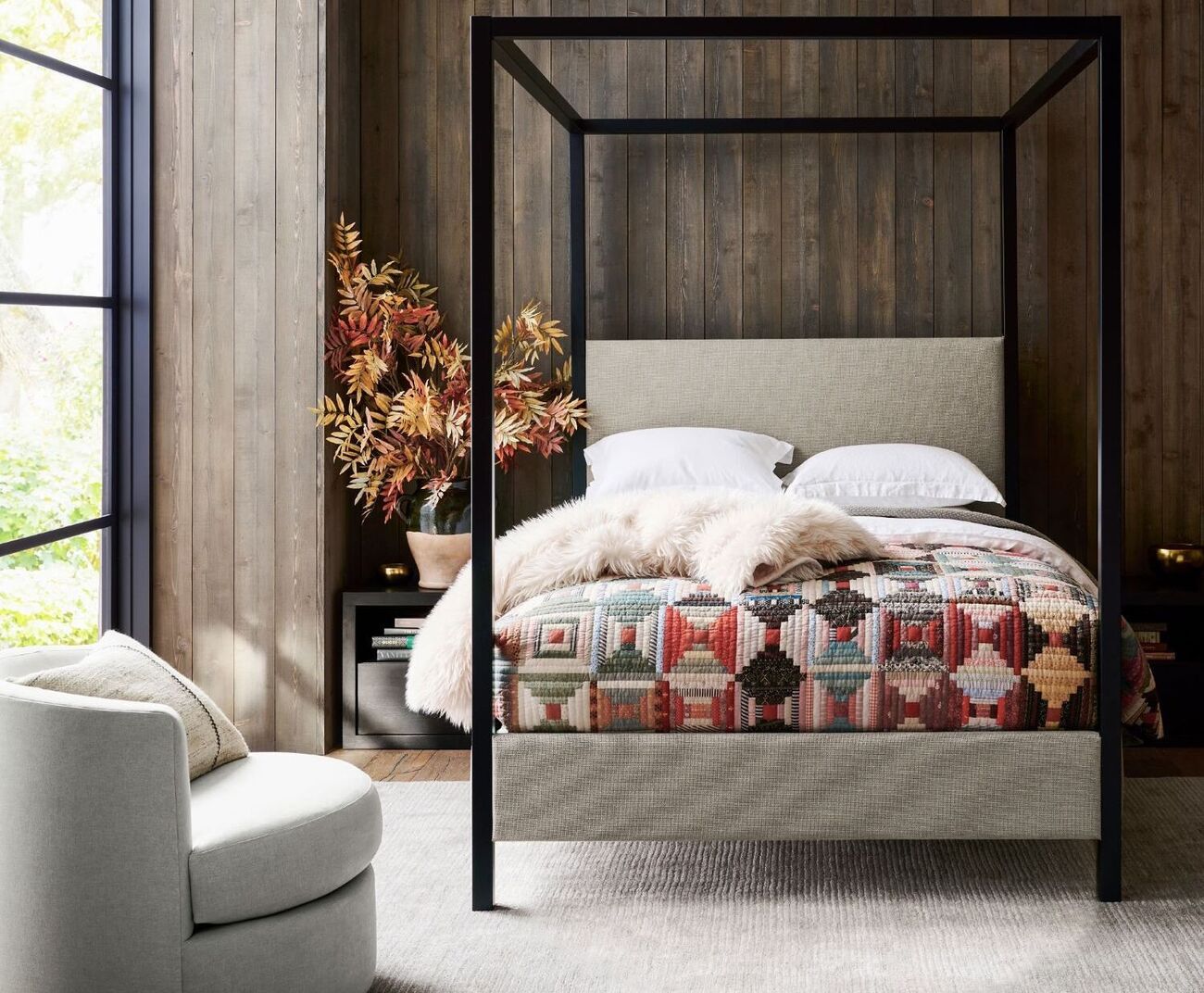
When it comes to fall bedding, cozy blankets and throws are a must-have. Not only do they provide warmth on chilly nights, but they also add a touch of luxury and style to your space. Here are some tips to make the most out of your blankets and throws this fall:
- Choosing the right materials: Opt for materials such as wool, fleece, or faux fur for a soft and warm feel. These materials are perfect for snuggling up on colder evenings and adding a layer of comfort to your bed.
- Incorporating warm colors: Fall is all about warm and earthy tones. Choose blankets and throws in shades of burnt orange, deep reds, and golden yellows to create a cozy and inviting atmosphere. These colors will harmonize with the changing leaves outside and bring the essence of fall into your bedroom.
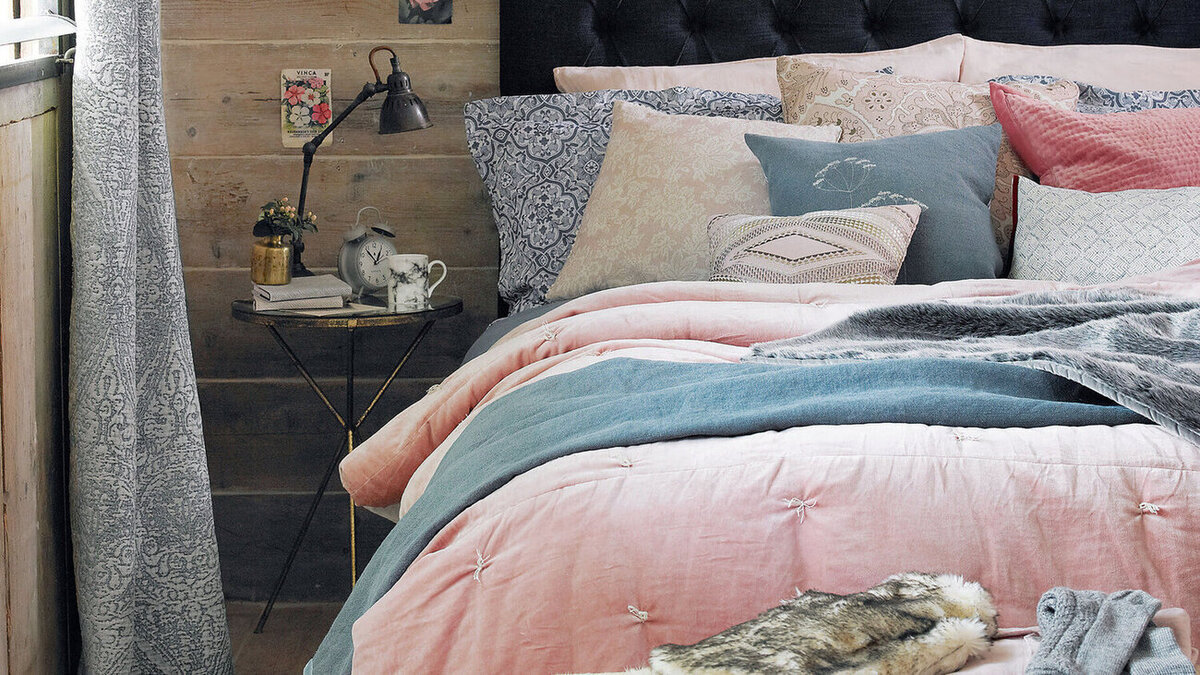
- Layering textures: To create a visually interesting and textured look, consider layering different textures of blankets and throws. Mix and match chunky knits, fluffy faux fur, and smooth velvet for a visually appealing and tactile experience. This layering adds depth and dimension to your bed and enhances the cozy ambiance of your space.
By carefully selecting the materials, incorporating warm colors, and layering textures, you can create a beautiful and inviting bedscape that exudes comfort and warmth.
Pillows and cushion covers
Pillows and cushion covers are not only functional but also an essential part of your fall bedding decor. They can instantly add style and personality to your space. Here are some ways to enhance your bedding with pillows and cushion covers this fall:
- Mixing patterns and prints: Embrace the beauty of fall by mixing different patterns and prints on your pillows and cushion covers. Think floral, plaid, or geometric patterns that capture the essence of the season. This eclectic mix will add visual interest and create a lively and charming atmosphere in your bedroom.
- Opting for plush and velvety fabrics: Fall is all about indulging in the soft and cozy feeling, and what better way to do that than with plush and velvety fabrics? Opt for pillows and cushion covers made from materials like velvet or faux fur. These luxurious textures will not only elevate the comfort level but also add a touch of elegance to your bedding ensemble.
- Adding decorative accents: To further enhance the aesthetic appeal of your pillows and cushion covers, add decorative accents such as pom-poms, tassels, or embroidery. These small details can make a big impact and bring a sense of uniqueness and charm to your bedding. Experiment with different embellishments and find the ones that resonate with your personal style.
By mixing patterns and prints, opting for plush and velvety fabrics, and adding decorative accents, you can transform your plain pillows and cushion covers into statement pieces that reflect the cozy and inviting ambiance of fall.
Comfortable bedding sets
When it comes to fall bedding, investing in a comfortable bedding set is essential for a good night’s sleep. Here are some tips to enhance your bedding this fall:
- Selecting seasonal patterns: To create a cozy and autumnal atmosphere in your bedroom, choose bedding sets with seasonal patterns. Look for designs that feature falling leaves, pumpkins, or other symbols of fall. These patterns will add a touch of charm and bring the spirit of the season into your space.
- Investing in quality materials: Quality materials are key to a comfortable and long-lasting bedding set. Consider investing in fabrics like Egyptian cotton or bamboo, as they are known for their softness, durability, and breathability. These materials will ensure that you have a restful night’s sleep and enjoy your bedding set for years to come.
- Embracing earthy tones: Fall is all about embracing the warm and earthy colors of nature. Opt for bedding sets in shades of brown, beige, deep greens, or rusty oranges. These earthy tones will create a soothing and grounding atmosphere in your bedroom, perfect for relaxation and unwinding after a long day.
By selecting seasonal patterns, investing in quality materials, and embracing earthy tones, you can create a comfortable and visually appealing bedding set that enhances the cozy ambiance of your space.
Consider incorporating warm, rich colors like deep reds, oranges, and browns into your bedding to create a cozy and inviting atmosphere for the fall season.
Fall-inspired decorative pillows
Decorative pillows are an excellent way to add a touch of fall to your bedding ensemble. Here are some ideas to incorporate fall-inspired decorative pillows into your space:
- Incorporating autumn motifs: Choose decorative pillows with autumn motifs such as leaves, pumpkins, acorns, or woodland animals. These designs instantly add a touch of the season to your bedding and create a cozy and inviting atmosphere.
- Embracing rich, deep hues: Fall is known for its rich and vibrant color palette. Opt for decorative pillows in deep hues like burgundy, mustard yellow, or burnt orange. These warm and intense colors will create a visually striking contrast against your bedding and infuse your space with a sense of warmth and coziness.
- Exploring different shapes and sizes: Don’t be afraid to mix and match different shapes and sizes of decorative pillows. Incorporate square, rectangular, and round pillows in various sizes to create visual interest and dimension. This combination of different shapes and sizes will add depth and texture to your bed and make it more visually appealing.
By incorporating autumn motifs, embracing rich, deep hues, and exploring different shapes and sizes of decorative pillows, you can infuse your bedding with the essence of fall and create a cozy and inviting atmosphere in your bedroom.
Warm and inviting duvet covers
A duvet cover can instantly transform the look and feel of your bedding. Here are some tips to make your duvet cover warm and inviting this fall:
- Exploring seasonal patterns and designs: Choose duvet covers with seasonal patterns and designs that reflect the beauty of fall. Look for motifs like leaves, woodland creatures, or abstract patterns inspired by nature. These patterns will add a touch of charm and create a cozy atmosphere in your bedroom.
- Opting for thicker fabrics for insulation: With the arrival of cooler temperatures, it’s important to opt for duvet covers made of thicker fabrics for added insulation. Look for materials like flannel or brushed cotton, which provide extra warmth and coziness. These fabrics will make your bed more inviting and ensure a comfortable and restful sleep.
- Neutrals vs. bold shades: When it comes to choosing the color palette of your duvet cover, you have two options. Neutrals like beige, taupe, or gray can create a serene and calming environment, while bold shades like deep reds, rich purples, or burnt oranges can make a bold statement and infuse your space with warmth and vibrancy. Consider your personal style and the overall aesthetic of your bedroom when deciding which direction to take.
By exploring seasonal patterns and designs, opting for thicker fabrics for insulation, and choosing between neutrals and bold shades, you can create a warm and inviting duvet cover that embodies the cozy essence of fall.
Layering rugs and mats
Adding rugs and mats to your bedroom not only enhances the aesthetic appeal but also brings warmth and coziness to your space. Here are some tips for layering rugs and mats this fall:
- Mixing patterns and textures: To create visual interest and depth, layer rugs and mats with different patterns and textures. Mix a patterned rug with a solid-colored mat or layer a furry rug over a jute mat. The combination of different textures and patterns adds a cozy and inviting feel to your bedroom.
- Incorporating natural materials: Fall is the perfect time to bring nature indoors. Consider using rugs and mats made of natural materials like jute, sisal, or bamboo. These materials not only add warmth and a touch of nature to your space but also offer durability and a rustic charm.
- Adding warmth and coziness: Layering rugs and mats not only adds visual interest but also provides an extra layer of insulation. Opt for thicker rugs and mats that offer more warmth and coziness during the colder months. The softness underfoot will make your space feel inviting and comfortable.
By mixing patterns and textures, incorporating natural materials, and adding warmth and coziness, you can create a beautifully layered and inviting space in your bedroom. The rugs and mats will not only enhance the aesthetic appeal but also provide a cozy foundation for your fall bedding ensemble.
Conclusion
As the weather turns cooler and the leaves begin to change, it’s the perfect time to update your bedding and create a cozy and inviting space for the fall season. By incorporating the latest bedding trends, you can transform your bedroom into a sanctuary that embraces the warmth and beauty of autumn.
From cozy blankets and throws to fall-inspired decorative pillows, comfortable bedding sets, warm duvet covers, and layered rugs, there are numerous ways to enhance your space this fall. By carefully selecting materials, patterns, colors, and textures, you can achieve a harmonious and inviting atmosphere that reflects the essence of the season.
Remember to choose materials that are warm and soft, such as wool, fleece, or velvety fabrics, to ensure maximum comfort. Embrace warm colors like burnt orange, deep reds, and golden yellows to create a cozy and inviting ambiance. Don’t be afraid to mix patterns and textures, as well as incorporate natural materials like jute or bamboo, to add depth and interest to your bedding ensemble.
With the right combination of fall-inspired elements, your bedding can become a focal point of your bedroom, inviting you to snuggle up and relax during the colder months. Whether you prefer a neutral and serene palette or bold and vibrant hues, there are endless possibilities to create a space that reflects your personal style.
So, this fall, take the opportunity to update your bedding and embrace the beauty and coziness of the season. With the right choices, you can transform your bedroom into a warm and inviting retreat that you’ll look forward to coming home to every day.
Frequently Asked Questions about Fall Bedding Trends: 6 Ways To Enhance Your Space This Fall
Was this page helpful?
At Storables.com, we guarantee accurate and reliable information. Our content, validated by Expert Board Contributors, is crafted following stringent Editorial Policies. We're committed to providing you with well-researched, expert-backed insights for all your informational needs.






0 thoughts on “Fall Bedding Trends: 6 Ways To Enhance Your Space This Fall”